Based on Sermon 1 of 7: “Our Father in Heaven, Hallowed Be Your Name”
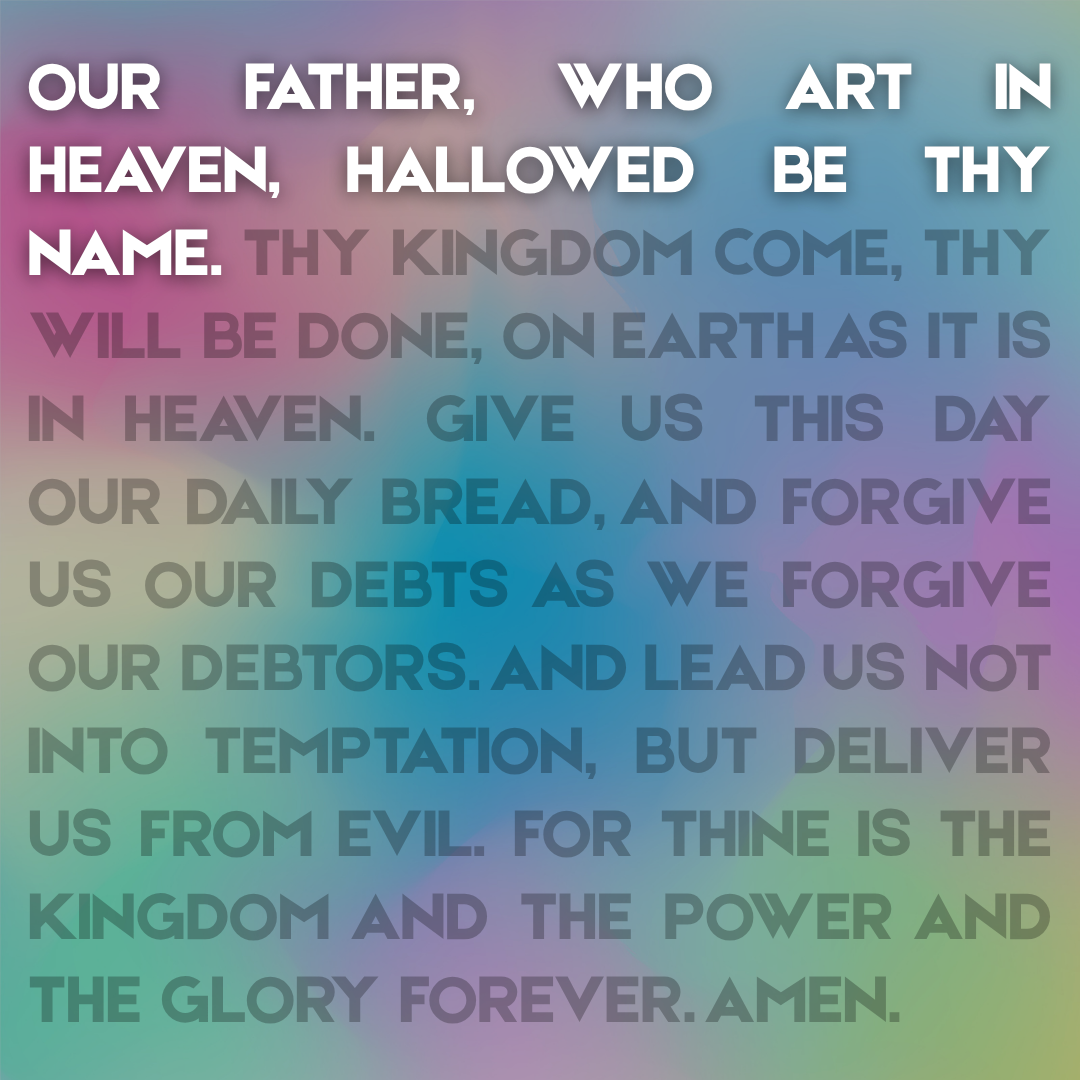
Every time we bow our heads to pray “Our Father, who art in heaven, hallowed be thy name,” we’re invited beyond ritual into a transformative way of life. Prayer isn’t merely recitation; it’s an anthem of belonging, a glimpse of heaven’s vision, and a call to embody holiness. When we pray “Our,” we pledge ourselves to one another. When we pray “who art in heaven,” we align our perspective with God’s justice and mercy. And when we pray “hallowed be thy name,” we commit to making God’s character visible in the smallest corners of our day.
This week’s challenge is simple yet profound: don’t let the Lord’s Prayer stay on your lips—let it shape your life.
Practice the “Our”: This week, intentionally cross a boundary. Invite someone to coffee who doesn’t look like you, vote like you, or worship like you. Listen to their story. Let “our” stretch your circle wider.
Reclaim “Father”: If the word “Father” is tender for you, spend time imagining God as the perfect parent—one who never abandons, always listens, always loves. And then, be that presence for someone else: a mentor, a listening ear, a steady friend.
See with Heaven’s Eyes: When you read the news or scroll your social media feeds, don’t stop at despair, anger and negativity. Pause and ask: What would God’s kingdom look like here? Then take one small step toward it— sign a petition, join a protest, recycle faithfully, check in on a neighbor, share a meal, volunteer, or pray for peace in a war-torn region.
Hallow God’s Name in the Ordinary:Each day, choose one ordinary act and do it in a holy way. Speak kindly in a tense meeting. Offer forgiveness where it’s undeserved. Write a note of encouragement. Let your everyday choices whisper God’s holiness into the world.
May these next seven days find you living the prayer you proclaim, so that the world doesn’t just hear our words but catches a glimpse of heaven breaking in. Amen.
“In Scripture, God is described not only as Father but also as Mother: ‘As a mother comforts her child, so I will comfort you’ (Isaiah 66:13).”
Reflect: Which maternal image of God speaks most deeply to your heart, and why might that image be hard or healing for you?
Act: This week, reach out to someone who needs comfort—send a note, make a call, or simply sit with them—and embody the tender care of God as Mother.
“Notice Jesus doesn’t say ‘My Father.’ He says ‘Our.’”
Reflect: How do you experience the difference between “my” faith journey and “our” shared life in community?
Act: Invite someone to share a meal or a cup of coffee with you or onto a walk and pray part of the Lord’s Prayer together and listen deeply to each other’s stories.
“To hallow God’s name is to make God’s character visible in the world.”
Reflect: In what ways have your words or actions recently revealed God’s mercy, justice, or love?
Act: Choose one everyday interaction—at work, school, or home—and intentionally display kindness or justice that points back to God.
“Faith, wherever it develops into hope, causes not rest but unrest, not patience but impatience.” (Jürgen Moltmann)
Reflect: Where is God stirring a holy discontent in you that propels you from comfort into compassionate action?
Act: Identify one social or environmental issue that troubles you. Sign a petition, volunteer, or research one concrete step you can take before Sunday.
“When we choose reconciliation over resentment, we hallow God’s name.”
Reflect: In what relationship are you holding onto resentment, and how might choosing reconciliation reflect God’s holiness?
Act: Identify one person with whom you’ve been at odds—reach out this week to offer a genuine word of peace, whether through a note, call, or face-to-face apology.
“Don’t just pray the prayer—become the prayer.”
Reflect: Which line of the Lord’s Prayer feels most alive in your daily rhythm, and which line challenges you the most?
Act: Pick one petition of the Lord’s Prayer and craft a daily reminder (a sticky note, alarm, or prayer bracelet) to live it out all week.